Customer Management System
How to Identify
Valuable Customers
Customer purchase data is collected
and analyzed by day, by store,
and by individual item.







9:00 AM – 5:00 PM (Mon–Fri, excluding public holidays)
Customer purchase data is collected
and analyzed by day, by store,
and by individual item.
After customers take the time to sign up as members, do you know how often they visit, what they purchase, how many items they buy, and how much they spend?
Customers who visit only once a year but make large purchases each time
Customers who spend less per visit but come in once a week
Both are valuable customers—but are you using the same approach, such as direct mail campaigns, to reach them?
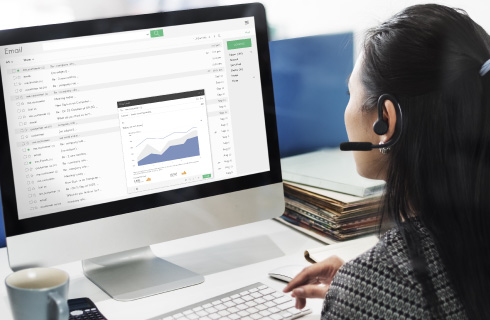
Customer information is registered in the system, enabling the distribution of direct mail and other notifications.
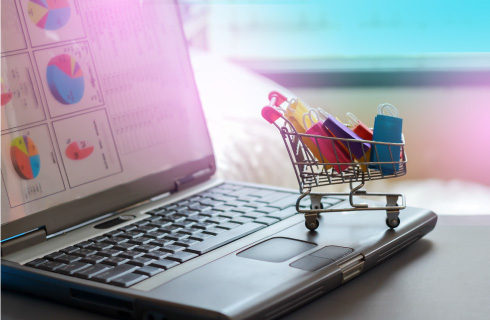
Based on visit frequency and purchase history, the system accurately analyzes which customers should receive what type of communication, enabling effective and targeted promotions.
Retail industry and apparel shops.

Direct mail can be issued based on customer data such as date of birth, gender, and region.

Analysis can be performed based on purchase history, including visit frequency, purchase amount, and gross profit.
It also supports analysis by specifying particular products or categories (departments).
 Custom Condition-Based Analysis
Users can create their own extraction conditions according to the type of analysis required, such as time period or purchase amount. Once created, these conditions can be reused multiple times.
 Combination of Extraction Conditions
Multiple extraction conditions can be combined to perform more advanced filtering.
Example:
①Members who purchased over 50,000 yen in the past year
②Members who have not visited in the last three months
↓
③Members who purchased over 50,000 yen in the past year but have not visited in the last three months
 Purchase Forecasting
Standard analytical reports such as decile analysis and RFM analysis are included as part of the system. This enables more accurate purchase forecasting tailored to your store’s customer base.